
News
October 10th, 1868: The Beginning of Cuba’s Independence Wars
The dawn of October 10, 1868, could have been one of the most characteristic of that month: humid and with nice temperatures, while, in the countryside, sugar cane, bathed by dewdrops, swayed in the wind with slow and faint movement.
Source
AIN
Date
The dawn of October 10, 1868, could have been one of the most characteristic of that month: humid and with nice temperatures, while, in the countryside, sugar cane, bathed by dewdrops, swayed in the wind with slow and faint movement.
But that day was different. When slaves were getting ready for their daily work, Carlos Manuel de Céspedes talked to them and, between the emotion of the moment and the responsibility assumed for the step he was taking, he spoke with great passion.
“Citizens: that sun you can now see raising above the Turquino Peak has come to illuminate the first day of Cuba’s freedom and independence,” said Céspedes. That day, the bell of La Demajagua sugar mill didn’t call to work. It rang out to announce that the struggle had begun.
The breaking out of uprising crystallized all the previous efforts of a small group that, inside Cuba, was working to achieve from Spain a recognition that would allow them to actively participate in the island’s political and economic life.
The expulsion of Cubans from Spanish courts showing the impossibility of reaching an agreement by way of negotiations cleared the road to armed war.
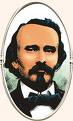
The main architect of that memorable event was Carlos Manuel de Céspedes, a landowner from eastern Bayamo city who, anticipating the date agreed on, began actions on October 10.
The beginning of the emancipation of Cubans, regardless of its anticipation, was the result or consequence of a group of problems accumulated throughout the years.
The island’s oppression by the Peninsula was no longer sustainable. An economy dependent on the metropolis and a social situation of stagnation deliberately prompted by Spain to maintain with a higher level of security its control over the colony, predicted disturbing airs for the peace prevailing until that moment.
The document signed by Céspedes, stating the reasons for the armed uprising and also known as the October 10th Manifesto, read: “When a people gets to the point of degradation and poverty we’re now living, nobody can condemn it for grabbing weapons to put an end to a state so full of dishonor. The example set by the world’s greatest nations authorizes this as a last resort.”
Once actions in the territory currently occupied by Granma province began, they would expand to other regions of the island, first to Camagüey and then to Las Villas.
Throughout 10 years of bloody struggle Cubans showed the world their heroism and bravery, facing an army that was superior from all points of view.
Although the end of the war didn’t represent the materialization of the objectives it initially set out to –to abolish slavery and achieve independence- this uprising began the cycle of emancipation of the Cuban people, which would end with the dawn of January 1st, 1959.
But that day was different. When slaves were getting ready for their daily work, Carlos Manuel de Céspedes talked to them and, between the emotion of the moment and the responsibility assumed for the step he was taking, he spoke with great passion.
“Citizens: that sun you can now see raising above the Turquino Peak has come to illuminate the first day of Cuba’s freedom and independence,” said Céspedes. That day, the bell of La Demajagua sugar mill didn’t call to work. It rang out to announce that the struggle had begun.
The breaking out of uprising crystallized all the previous efforts of a small group that, inside Cuba, was working to achieve from Spain a recognition that would allow them to actively participate in the island’s political and economic life.
The expulsion of Cubans from Spanish courts showing the impossibility of reaching an agreement by way of negotiations cleared the road to armed war.
The main architect of that memorable event was Carlos Manuel de Céspedes, a landowner from eastern Bayamo city who, anticipating the date agreed on, began actions on October 10.
The beginning of the emancipation of Cubans, regardless of its anticipation, was the result or consequence of a group of problems accumulated throughout the years.
The island’s oppression by the Peninsula was no longer sustainable. An economy dependent on the metropolis and a social situation of stagnation deliberately prompted by Spain to maintain with a higher level of security its control over the colony, predicted disturbing airs for the peace prevailing until that moment.
The document signed by Céspedes, stating the reasons for the armed uprising and also known as the October 10th Manifesto, read: “When a people gets to the point of degradation and poverty we’re now living, nobody can condemn it for grabbing weapons to put an end to a state so full of dishonor. The example set by the world’s greatest nations authorizes this as a last resort.”
Once actions in the territory currently occupied by Granma province began, they would expand to other regions of the island, first to Camagüey and then to Las Villas.
Throughout 10 years of bloody struggle Cubans showed the world their heroism and bravery, facing an army that was superior from all points of view.
Although the end of the war didn’t represent the materialization of the objectives it initially set out to –to abolish slavery and achieve independence- this uprising began the cycle of emancipation of the Cuban people, which would end with the dawn of January 1st, 1959.